


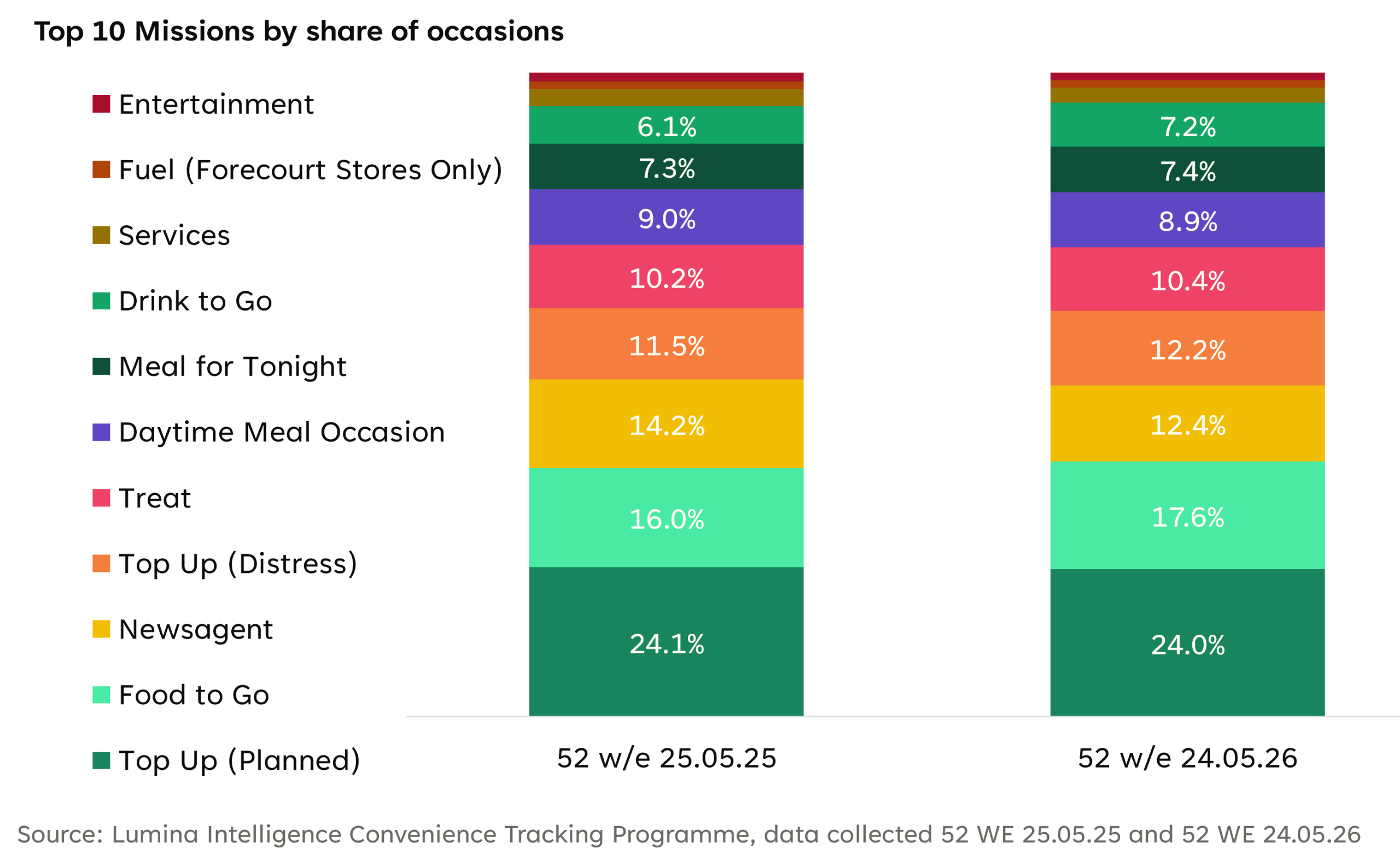
Food-to-go has become one of the most important missions in convenience retail as consumers look to balance rising costs with busy lifestyles. However, today’s food-to-go convenience shopper isn’t simply looking for a quick meal. Increasingly, they are seeking affordable quality, using convenience retail as an alternative to more expensive out-of-home dining while still expecting great taste, variety and value.
Food-to-Go Shoppers Are Looking for Affordable Alternatives
Economic pressures continue to influence spending habits, and many consumers are actively looking for ways to reduce costs without sacrificing convenience. As a result, food-to-go has become an attractive middle ground between preparing food at home and purchasing meals from restaurants, cafés or foodservice operators.
As covered by Lumina Intelligence Insight Manager Tom Price, food-to-go demand is growing as consumers trade down from out-of-home occasions in search of more affordable options while still expecting quality-led food and drink. This shift is helping food-to-go gain importance within convenience retail and shaping the products shoppers choose.
Value Matters, But Taste Comes First
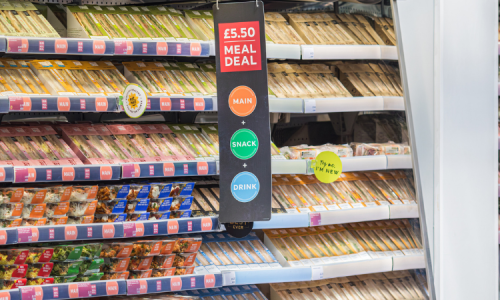
While meal deals are often seen as value purchases, Lumina Intelligence’s meal deal research reveals that taste is actually the most important factor influencing product selection across mains, snacks and drinks. Shoppers want value, but they are unwilling to compromise on enjoyment.
The research also shows that consumers evaluate value more broadly than price alone. Quality ingredients, trusted brands, appetising products and satisfying portions all contribute to the perception of value.
This helps explain why meal deals remain such an important part of the food-to-go market. Rather than simply offering low prices, successful meal deals combine affordability with quality and convenience.
Today’s Food-to-Go Shopper Wants More Choice
As expectations rise, shoppers are increasingly looking beyond traditional sandwiches and snacks. There’s growing demand for trend-led flavours, cuisine-inspired options, healthier choices and products that offer added benefits such as protein or energy.
Consumers are also becoming more willing to trade up when products offer something extra.
Premium meal deals, hot food options and products from recognised brands can all help justify spending and reinforce perceptions of quality.
For today’s food-to-go shopper, convenience remains essential, but quality, variety and relevance increasingly determine where they choose to spend their money.
Conclusion
The modern food-to-go convenience shopper is no longer driven by convenience alone. Faced with ongoing economic pressure, consumers are actively seeking affordable alternatives to eating out, while still expecting meals that deliver on taste, quality and value. As a result, food-to-go is evolving from a simple convenience purchase into a destination mission in its own right.
About the data
These insights have been powered by Lumina Intelligence’s Meal Deal Monitor, a continuous, data‑led view of how meal deals are priced, built and performing across retail and foodservice – connecting real shopper behaviour with real‑world execution.
3,000 consumer interviews per quarter capturing missions, frequency, trade-up and the drivers of value perception.
FAQs
Who is the food-to-go convenience shopper?
The food-to-go convenience shopper is a consumer purchasing food and drink for immediate consumption, typically for breakfast, lunch, snacks or other on-the-go occasions.
Why is food-to-go becoming more popular?
Many consumers are looking for affordable alternatives to out-of-home dining while maintaining convenience and quality, making food-to-go an increasingly attractive option.
What matters most to food-to-go shoppers?
Taste is the most important factor influencing meal deal choices, followed by value, quality and the ability to satisfy functional needs such as hunger, energy or health goals.
Are meal deals still important to food-to-go shoppers?
Yes. Meal deals remain a key part of the food-to-go mission, particularly during the working week when consumers are looking for convenient and cost-effective meal solutions.
What types of food-to-go products are growing in popularity?
Trend-led flavours, cuisine-inspired products, healthier options, protein-rich products and premium meal solutions are all becoming more appealing to food-to-go shoppers.
Are shoppers willing to pay more for food-to-go products?
Yes, but only when products offer clear value through better taste, higher quality, trusted brands or added benefits such as health and convenience.
When are meal deals most commonly purchased?
Most meal deals are purchased during the working week, with 86% bought between Monday and Friday as part of routine lunch and on-the-go consumption occasions.
How are food-to-go shopper expectations changing?
Consumers increasingly expect food-to-go products to deliver restaurant-inspired quality, more choice, healthier options and better overall value, rather than simply offering a quick and cheap meal.