

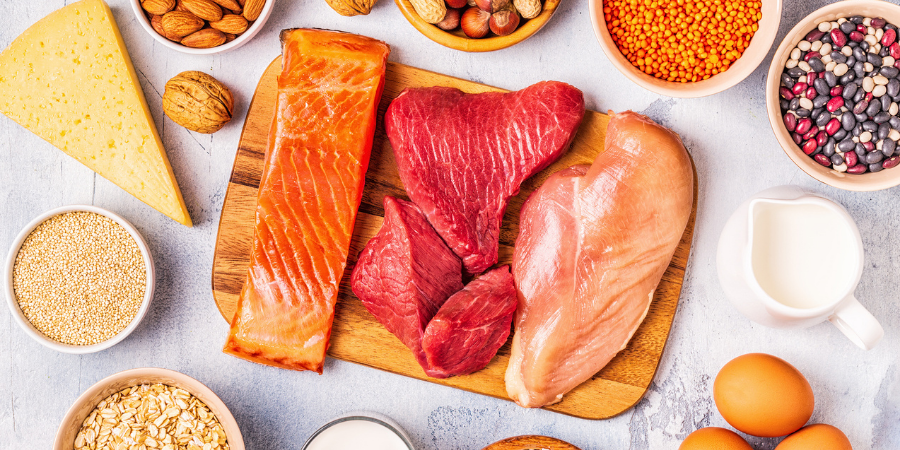
Protein has become one of the most influential drivers of menu development and food innovation across the UK food industry.
From premium steak concepts to fast-growing chicken formats and high-protein menu options, demand for protein-led dishes continues to shape strategies across restaurants, food-to-go outlets, convenience retail and delivery platforms.
Operators are increasingly balancing consumer expectations around quality, health and value while managing rising ingredient costs and operational pressures.
Understanding how protein consumption is evolving across channels is therefore critical for suppliers, manufacturers and operators looking to capture growth opportunities in the UK food market.
The Growing Importance of Protein in the UK Food Industry
Protein plays a central role in consumer dining behaviour across the food industry.
Restaurant menus continue to be dominated by protein-based dishes such as burgers, chicken meals, seafood and steak concepts. These meals often anchor menus because they deliver strong margins and broad consumer appeal.
At the same time, delivery platforms have accelerated demand for protein-heavy meals by increasing accessibility and convenience for consumers ordering food at home.
Several factors are driving protein demand:
- Increased consumer interest in high-protein diets
- Demand for premium dining experiences
- The continued popularity of chicken-based quick service formats
- Growth in delivery and takeaway meals
For suppliers and manufacturers, protein remains one of the most important categories shaping the UK food ecosystem.
Protein Menu Trends in UK Restaurants
Restaurants are continually evolving their protein offerings to balance cost pressures with consumer expectations.
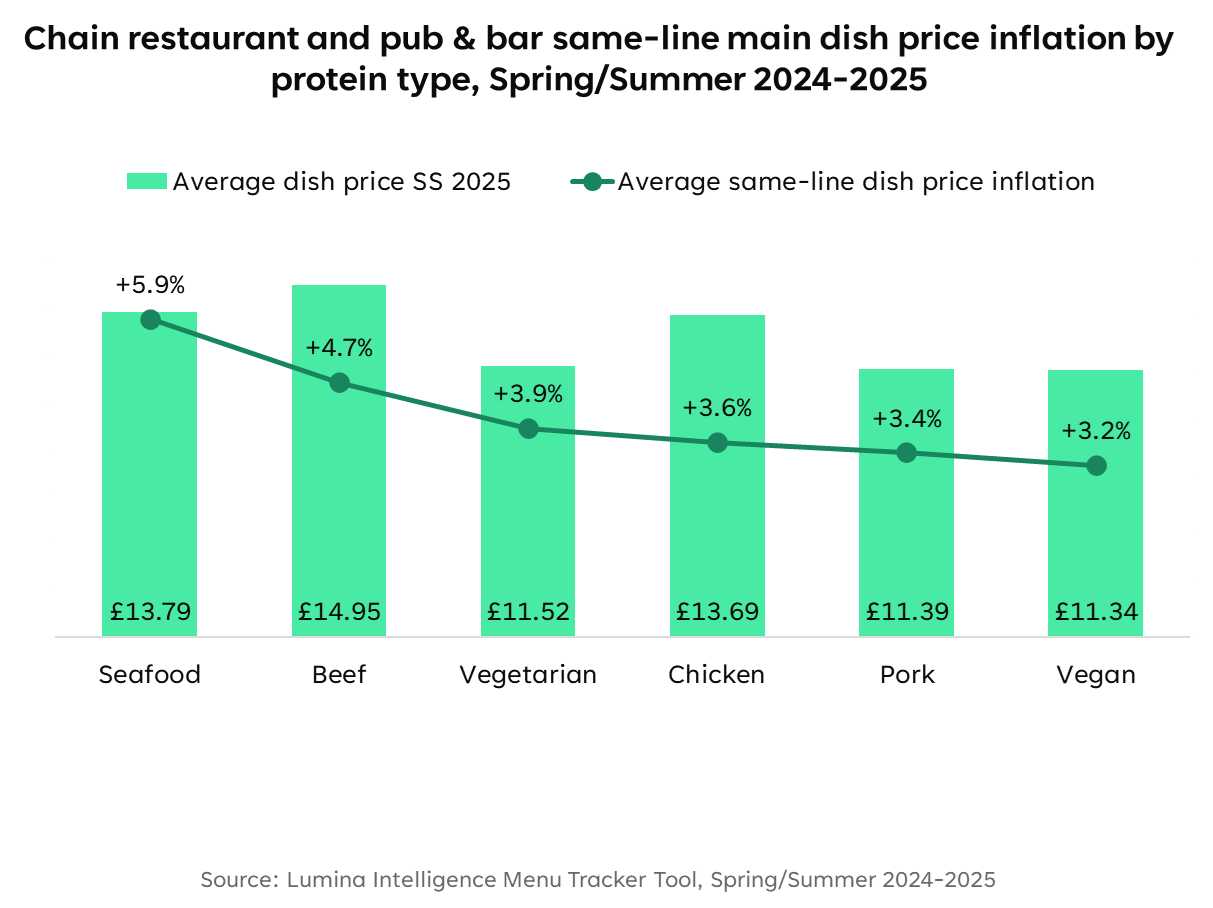
Protein-based dishes remain central to menu structure because they:
- drive spend per head
- enable premiumisation
- provide menu flexibility
Operators are evolving how protein appears on menus by expanding customisable formats, adding more sides and extras, leaning into global flavour builds, and shifting from meat substitutes to veg‑first plates to balance rising costs with clearer value cues.
Key menu trends
- Expansion of chicken-based menu concepts
- Premium steak and burger offerings
- Global cuisine protein dishes
- Smaller but more nutrient-dense portions
Restaurants are also adjusting pricing strategies as ingredient costs rise, placing greater emphasis on menu engineering to maintain profitability.
Chicken: The Fastest Growing Protein in Foodservice
Chicken has emerged as one of the most dominant proteins across the UK foodservice market.
Across quick service restaurants and delivery platforms, chicken-based concepts continue to expand due to their ability to deliver:
- affordable price points
- operational simplicity
- strong consumer appeal
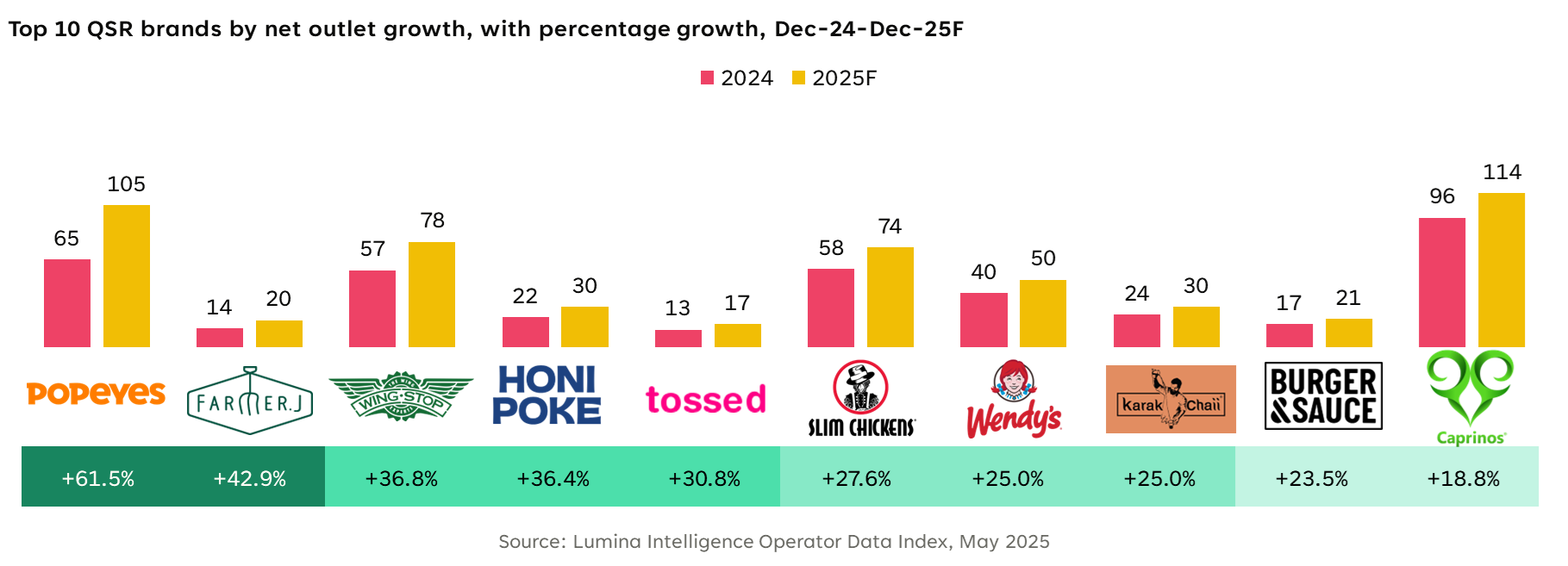
Chicken formats perform particularly well across:
- fast-food chains
- street food concepts
- delivery-only kitchens
- food-to-go formats
This versatility makes poultry one of the most important proteins across the UK foodservice ecosystem.
Premium Protein and the Rise of Quality Ingredients
While value remains a major priority for consumers, many diners are increasingly willing to trade up for higher-quality ingredients.
Protein dishes are often associated with:
- indulgence
- quality
- premium dining occasions
Examples of premium protein offerings include:
- grass-fed beef
- premium steak cuts
- sustainable seafood
- locally sourced meats
For suppliers, provenance and ingredient transparency are becoming key differentiators in an increasingly competitive market.
Protein Opportunities in Food-to-Go and Convenience
Protein demand is not limited to restaurants. Convenience retail and food-to-go outlets are increasingly incorporating protein into their ranges through products such as:
- chicken wraps
- sandwiches and bakery items
- ready-to-eat meals
- snackable protein formats
Convenience stores are investing heavily in food-to-go ranges as they seek to capture time-pressed consumer missions and increase basket spend.
This shift creates significant opportunities for suppliers developing portable, high-protein products.
The Outlook for Protein in the UK Food Industry
Protein will remain central to menu strategies as operators balance rising costs with consumer expectations. Mains, especially seafood, beef and chicken, continue to see price increases, prompting tighter menu engineering and greater reliance on sides and add‑ons to maintain value perception.
At the same time, steady growth in eating‑out occasions supports strong demand for protein‑led formats, particularly in quick‑service and food‑to‑go channels where chicken‑focused brands are expanding fastest.
With consumers prioritising value, freshness and quality, operators will keep refining protein dishes that deliver clear benefits, simple builds and broad appeal, ensuring protein remains a key driver of both innovation and commercial performance.
The insight within this article
The insights found in this article have been sourced from the following Lumina Intelligence market reports:
UK Eating Out Market Report 2025
The Lumina Intelligence UK Eating Out Report 2025 is the trusted source of insight for UK leading manufacturers and operators. This detailed report quantifies the size and growth of the channel and market forecasts up to 2028, with a detailed look at growth drivers and potential inhibitors.

UK Foodservice Delivery Market Report 2025
The UK Foodservice Delivery Market Report 2025 is the definitive source of insight into the UK’s foodservice delivery sector. This report provides in-depth analysis of market trends, consumer behaviour, competitive dynamics, and growth opportunities.
UK Menu & Food Trends Report 2025
The Lumina Intelligence Menu & Food Trends Report 2025 is the most comprehensive view of how UK chain restaurants and pubs & bars have navigated menu strategy through a year defined by inflation, cost pressure and recalibrated consumer expectations.
FAQ: Protein Trends in the UK Food Industry
What are the main protein trends in the UK food industry?
Key trends include the growth of chicken-based formats, increasing demand for high-protein meals, premiumisation of meat and seafood, and the expansion of protein products across convenience and delivery channels.
Why is protein important in restaurant menus?
Protein dishes often anchor menus because they drive spend per head, enable premium pricing and appeal strongly to consumers seeking indulgence or high-protein diets.
Which protein categories are growing fastest?
Chicken has seen particularly strong growth across fast food and delivery channels due to its affordability, versatility and strong consumer appeal.
How are restaurants adapting protein menus?
Restaurants are introducing new protein formats, incorporating global cuisines and balancing premium ingredients with value-focused menu options.
What opportunities exist for protein suppliers?
Opportunities include supplying premium meats, sustainable seafood, portable protein products for food-to-go, and ingredients used in global cuisine dishes.
How is consumer demand for protein changing?
Consumers are increasingly prioritising high-protein diets, functional foods and higher-quality ingredients when eating out or purchasing prepared meals.