

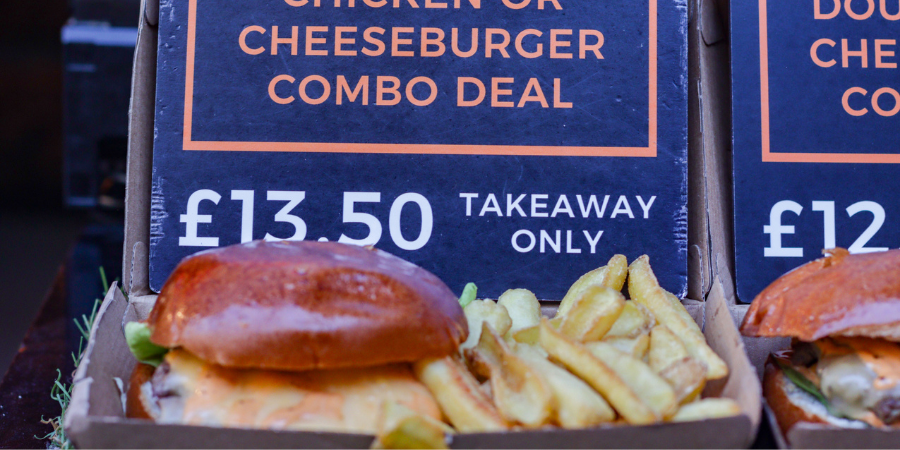
The latter half of 2025 and the early months of 2026 show that while price inflation has slowed in the UK, it continues to outpace CPI, prompting operators to remain cautious despite a more optimistic start to the year. As a result, many are leaning more heavily on menu engineering, such as entry and exit ladders, alongside utilising sides, extras, and other value cues to protect margins without resorting to heavier discounting.
Where pricing pressure is showing up
Across the UK, same line dish prices continued to rise between SS’24 and SS’25, increasing by 3.5% in chain restaurants and 4.2% in pubs and bars, against a CPI uplift of just 0.9 percentage points. Operators faced additional pressure from elevated food costs and the April budget, both of which amplified overall operating expenses. These combined forces reshaped pricing strategies, pushing businesses to rethink how and where they take price without compromising value perception.
Menu structure played an important role in this recalibration. Restaurants leaned more heavily on sides as a targeted margin recovery lever, signalling limited headroom to lift main dish prices, which rose 3.6%. Pubs, meanwhile, saw menu inflation outpace restaurants overall, reflecting the sector’s bigger cost exposure and the need to rebalance offer architecture more assertively.
Not all categories moved uniformly. Roughly three quarters of same line restaurant dishes rose in price in 2025, yet operators avoided blanket hikes by selectively trimming menu items: pubs pulled back on starters, while restaurants reduced desserts and sides. Key pricing architecture decisions also shaped consumer trade ups: by lowering entry points operators reinforced a value led image and protected guest counts in a still inflationary environment.
Sides and extras are the new margin engine
Operators are increasingly leaning on low risk, high margin elements to shape menu architecture and maintain value perception. Sides continue to carry much of that weight, with strong price growth and a clear rise in availability, reflecting their ability to offer variety and an easy upsell for guests. Extras have also expanded rapidly, giving operators more room to drive customisation through low cost garnishes and toppings that subtly lift spend.
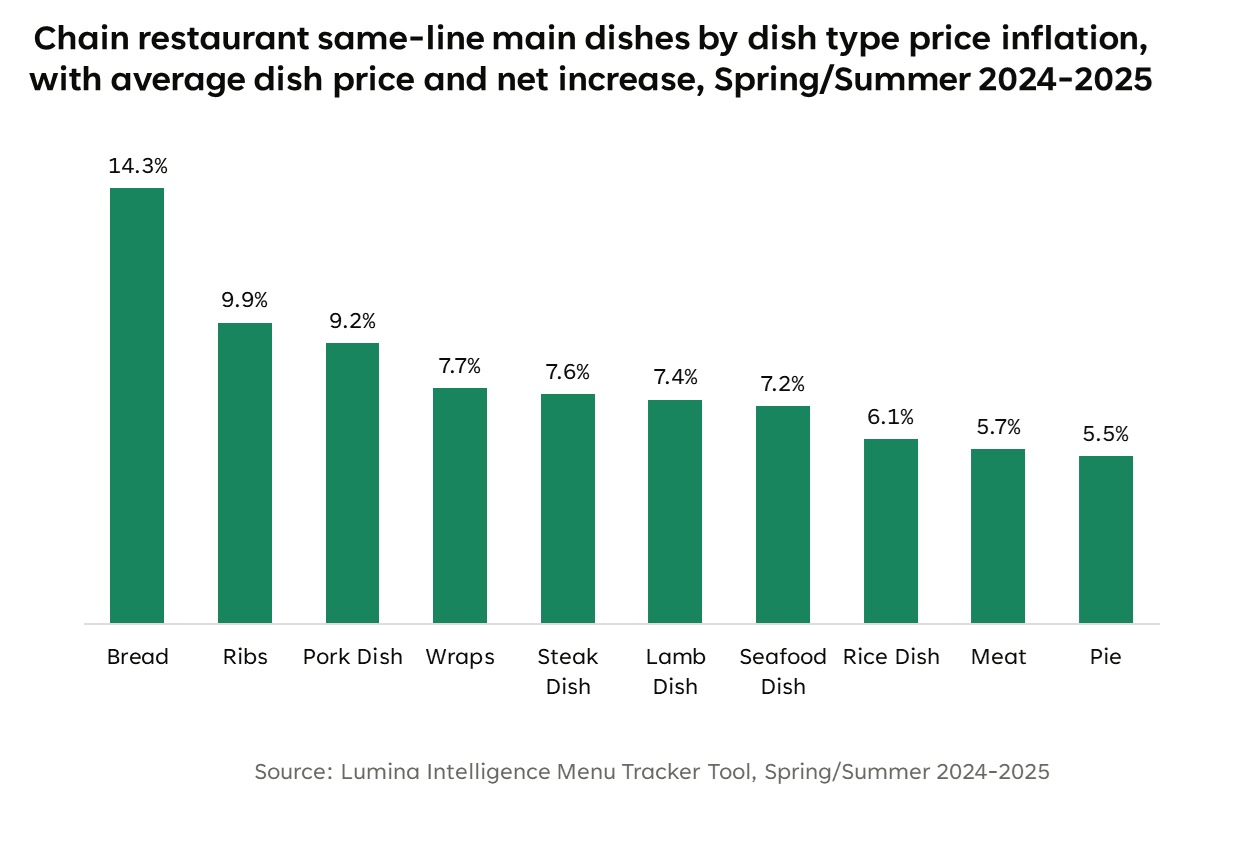
Meanwhile, bread and carb led dishes have become reliable margin contributors, posting some of the steepest same line price increases across both channels. Together, these shifts highlight how operators are rebalancing menus to protect profitability while still meeting guest expectations for choice, flavour and value.
Key points:
- Sides: strong price growth and increased count, supporting upsell.
- Extras doubled: more customisation levers that lift spend at low cost.
- Bread & carbs: largest same line price rises, reinforcing margin strength.
Entry down, exit up: two value playbooks emerge
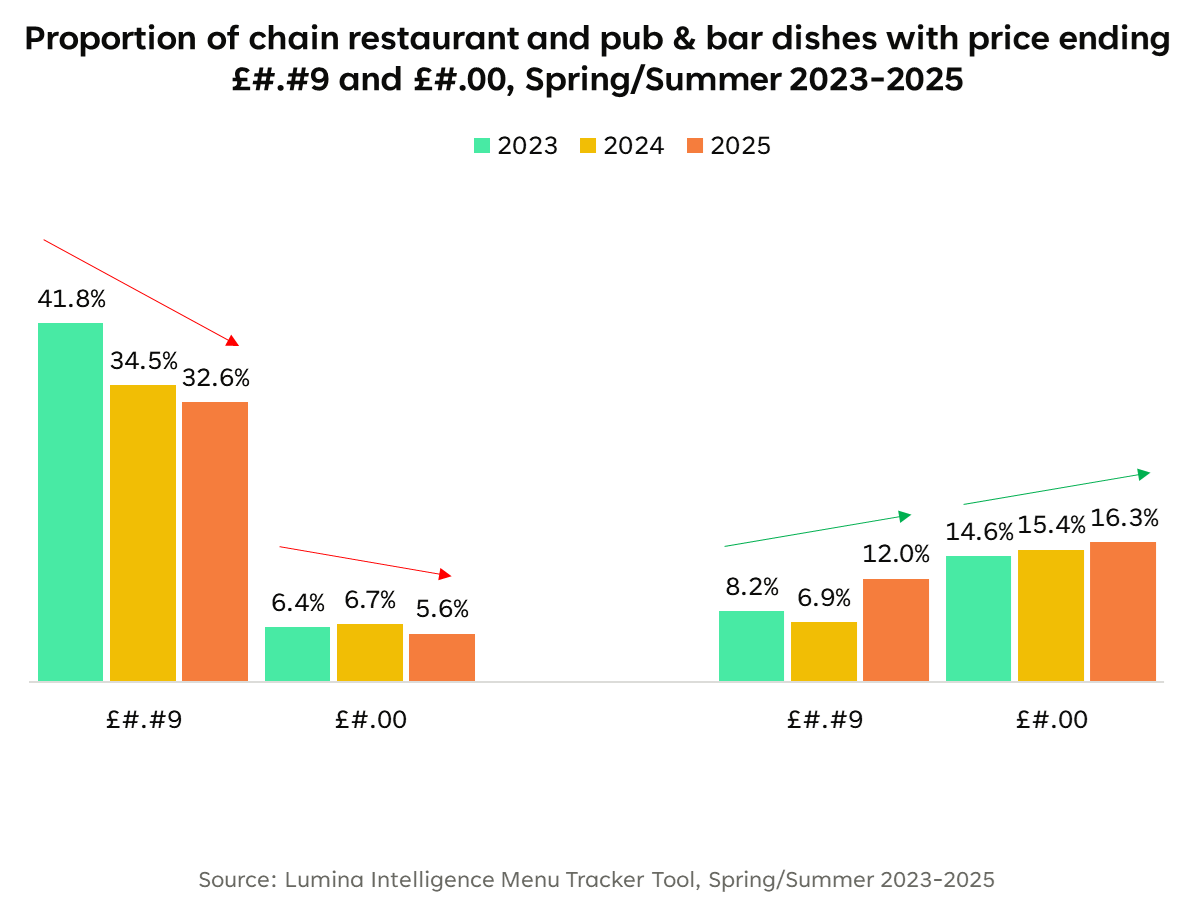
Across the UK market, pubs and restaurants continue to refine their price framing strategies in response to cost pressures and shifting consumer expectations, with clear divergence in how each channel signals value. Pubs have moved away from traditional £#.99 price endings and instead rely more heavily on bundles, set menus and upgrade pathways to reinforce simplicity and affordability, while simultaneously lowering entry prices across courses but retaining high end anchor points to frame value and drive trade up.
Restaurants, by contrast, lean more assertively on £#.99 cues and strategically higher exit prices on starters and mains to elevate perceived quality and nudge diners into mid menu choices, reflecting broader brand building moves seen across the sector that emphasise premium casual positioning and more curated price ladders. Together, these tactics reflect operators’ ongoing need to balance margin protection with guest reassurance in a market where inflationary pressures, wage increases and evolving consumer behaviour continue to reshape value perception.
In QSR, operators have doubled down on bundle led value, most visibly £5 meal deals, to keep entry points clear while using flavour forward LTOs (notably across chicken) to anchor the top of the price ladder and drive selective trade up; lunch gains and a rising delivery mix further reinforce the role of well priced bundles optimised for off premise. In coffee & sandwich, growth is coming from a barbell of everyday bakery value and premium specialty concepts: coffee’s strength at breakfast but softness at lunch/dinner argues for breakfast led value bundles alongside seasonal food led LTOs that elevate perceived quality later in the day, allowing operators to maintain accessible entry prices while using festive or premium lines as exit anchors.
Where menus are expanding
Across the UK foodservice market, menus are expanding in ways that balance value, variety and operational practicality, with operators responding to shifting consumer behaviour by widening ranges around familiar, comfort oriented items that offer reliability across both dine in and delivery occasions as lunch and dinner gain share and food led visits increase.
This expansion is reinforced by consumers’ growing focus on formats that provide dependable value and straightforward satisfaction, a trend visible in the channels that have captured more occasions due to their clarity and consistency. At the same time, menus are broadening to support different day part needs, particularly the strengthening of food led options beyond breakfast as drink only visits soften, while a dual emphasis on accessible everyday staples and more premium, quality led additions reflects a barbell pattern shaping the wider market, with both value driven outlets and premium operators achieving growth.
As delivery continues to rise and on premise motivations increasingly centre on atmosphere and experience, operators are expanding with items designed either to travel well or to elevate the in venue proposition, creating a balanced approach that protects frequency while enabling selective trade up where it aligns with consumer intent.
What value means to foodservice in 2026
Value in the market is increasingly defined by more than price alone, with consumers willing to pay a premium for offerings that feel seasonal, high quality, and thoughtfully crafted. As a result, operators are shifting their cues toward freshness, provenance and careful language, demonstrating that perceived value now stems as much from story and sensorial appeal as from cost.
The insight within this article
The insights found in this article have been sourced from the following Lumina Intelligence market reports and insight solutions:
Menu Tracker
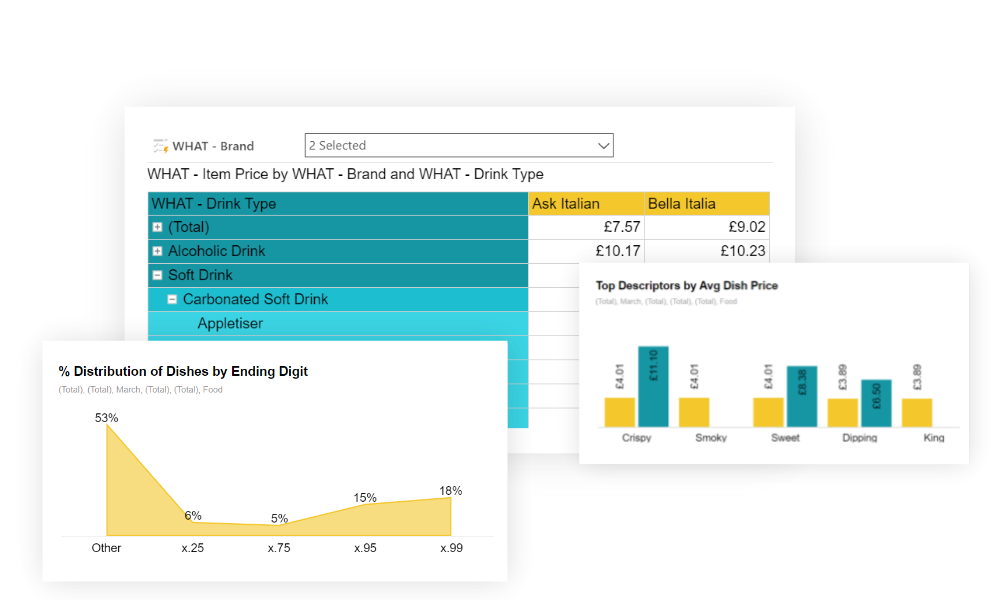
Menu Pricing, NPD & Promotions Insight for UK Foodservice. Track, compare & analyse the pricing & menu composition of major UK pub, restaurant, QSR, sandwich and coffee shop operators. Menu Tracker provides the most accurate source of menu product and pricing analysis on the UK food and drink market.
Operator Data Index
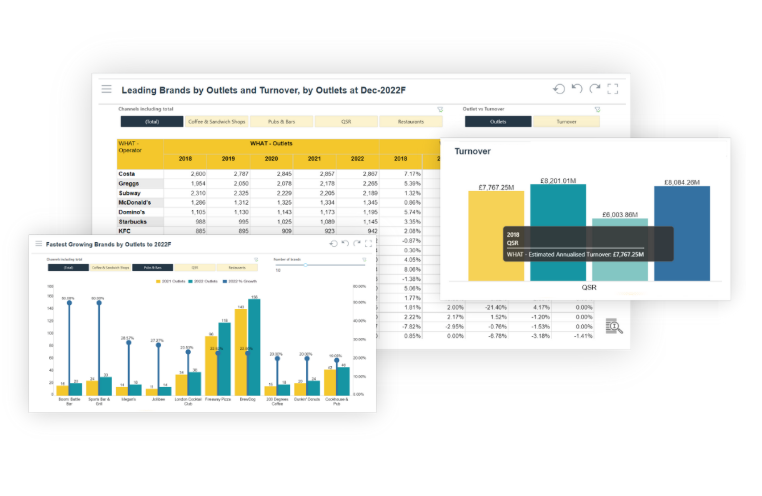
Continuous turnover and outlet data on 400+ UK pub, restaurant, QSR, sandwich and coffee shop operators. Analyse the leading and fastest growing brands through an interactive dashboard, supplemented with quarterly market intelligence reports.
UK Menu & Food Trends Report 2025
The Lumina Intelligence Menu & Food Trends Report 2025 is the most comprehensive view of how UK chain restaurants and pubs & bars have navigated menu strategy through a year defined by inflation, cost pressure and recalibrated consumer expectations.
FAQs: Value: how UK operators are engineering menus for 2026
Why are UK operators re‑engineering menus going into 2026?
Operators are still navigating inflation that, despite slowing, continues to outpace CPI. This has pushed businesses to refine how they present value – using menu architecture, sides, extras, and pricing ladders – to protect margins without leaning on broad discounting.
What is driving current pricing strategies?
Rising food costs, April 2025 budget changes and overall operating pressures mean operators must take price carefully. They’re shifting prices selectively, focusing on sides, extras, and strategic entry/exit points, rather than applying uniform increases across menus.
Why are sides and extras becoming so prominent?
Sides and extras offer high margins with low perceived risk for guests. Their strong growth makes them effective upsell levers, while also giving consumers more choice, customisation and value without inflating the cost of core dishes.
How are pubs and restaurants approaching value differently?
Pubs are lowering entry prices and leaning on bundles and upgrades to reinforce affordability. Restaurants, meanwhile, are more likely to use .99 cues and higher exit prices to signal quality and nudge diners into mid‑menu options.
How does the value strategy differ in QSR and coffee shops?
QSR brands are doubling down on clear, bundle‑led value at entry, while using premium or flavour‑led items as top‑of‑range anchors. Coffee and sandwich operators follow a “barbell” model—everyday bakery value at one end, premium specialty items at the other—shaped by strong breakfast demand and softer lunch/dinner performance.
Where are menus expanding the most across foodservice?
Menus are expanding around familiar, comfort‑oriented items that meet consumer demand for reliability, convenience and consistency. Operators are also broadening food‑led options outside breakfast and adding items that either travel well for delivery or enhance the in‑venue experience.
How has delivery influenced menu development?
With delivery occasions rising, operators are incorporating more items that maintain quality off‑site. At the same time, they are enhancing on‑premise options to meet consumer motivations around atmosphere, quality and experience.
Why are mid‑day and evening day‑parts gaining importance?
Lunch and dinner have grown their share of eating‑out occasions, largely because consumers increasingly choose “complete meal” experiences at these times. This shift encourages operators to build out broader, more satisfying ranges tailored to these day‑parts.
What does “value” mean to consumers in 2026?
Value is no longer just about price. Consumers are increasingly willing to pay more for seasonal, high‑quality, or thoughtfully crafted items. Freshness cues, provenance, language, and story all contribute to how value is perceived.
What is the overarching theme for 2026 menu engineering?
Operators are moving toward multidimensional value: clear entry points, elevated exit points, more flexibility through sides/extras, and menu additions that balance familiarity with quality. The aim is to maintain frequency while creating pathways for profitable trade‑up, without depending on aggressive discounting.