


Lunch has become a fiercely contested occasion in UK foodservice.
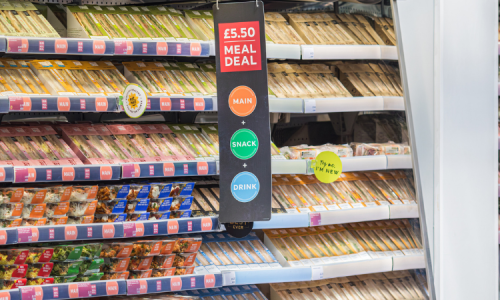
For decades, restaurant operators could rely on workplace footfall to drive daytime trade. Today, however, supermarkets, convenience retailers and food-to-go specialists have transformed lunch into a high-frequency value mission, centred around meal deals that deliver convenience, speed and perceived affordability.
According to Lumina Intelligence, food-to-go remains the largest growing consumer mission within eating out, while meal deals have become a core UK consumer habit. As a result, retail and foodservice operators are increasingly competing for the same lunchtime spend.
Against a backdrop of declining restaurant market forecasts, operators are adapting their propositions to recapture lunchtime traffic.
The Meal Deal Has Redefined Lunch
The success of meal deals has reshaped what consumers expect from lunch.
The food-to-go market continues to grow, and value remains a key purchasing driver, with consumers becoming increasingly price sensitive while seeking strong quality credentials and “fair pricing”. Lumina Intelligence research shows that 74% of consumers are very value conscious, while 53% equate fair pricing with value for money.
At the same time, retailers have developed increasingly sophisticated meal-deal propositions. Rather than competing solely on headline price, supermarkets are now using tiered pricing structures, premium upgrades and add-ons to drive perceived value and encourage trade-up.
Competition is therefore no longer simply between supermarkets, but between every operator seeking to win the lunchtime occasion.
Why Restaurants Need Lunch More Than Ever
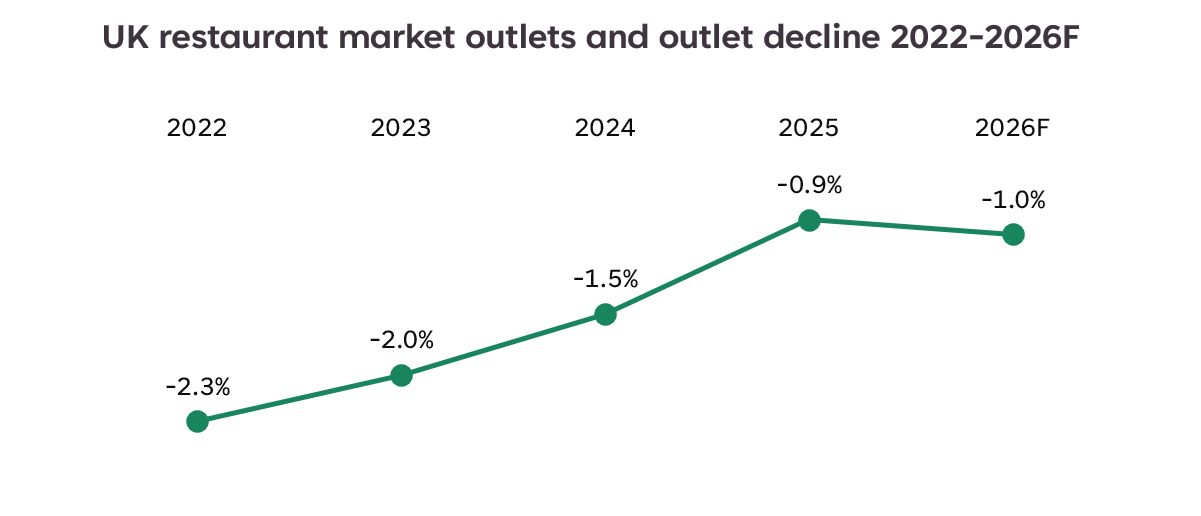
The UK service-led restaurant market is forecast to decline by 0.9% in both turnover and outlet numbers during 2026, while branded restaurant turnover is expected to fall by 2.3%.
As operators search for new avenues of growth, lunchtime presents a major opportunity. any restaurant sites have available daytime capacity, but competing requires a different approach from traditional dine-in occasions.
Consumers increasingly expect:
- Transparent pricing
- Fast service
- Easy-to-understad offers
- Strong value perception
These are attributes that meal deals have mastered.
Restaurants Are Adopting Meal Deal Tactics
Perhaps the clearest sign of chang is that more foodservice operators are borrowing directly from the meal-deal playbook.
According to Lumina Intelligence, more brands are joining the meal deal bandwagon, adopting bundles, tiered pricing structures and value-led formats previously associated with supermarkets:
- Wendy’s introducing its £5 “Biggie Bag”, marketed as being cheaper than many UK supermarket meal deals.
- Wasabi launching a hot-food meal deal featuring a Kobachi bowl, snack and drink for under £10, offering an alternative to traditional sandwich-led propositions.
- Pret trialling meal deals across 70 branches, focusing on lunchtime consumers with a more premium proposition priced between £6-£7.
- Five Guys introducing a low-carb meal deal centred around a Little Hamburger Lettuce Wrap and drink for £10.
The Same Trend Is Emerging Across Casual Dining
This competitive response is also evident among restaurant operators.
Recent lunchtime initiatives from Dishoom, Pizza Pilgrims and PizzaExpress have focused on fixed-price menus, simplified offers and quicker service formats, reflecting a growing focus on accessibility and lunchtime relevance.
While these propositions vary significantly in execution, they share a common objective: convincing consumers that eating in a restaurant offers sufficient additional value over a meal deal purchase.
Winning on Value, Not Necessarily Price
In this arena, value and quality are increasingly interconnected.
Consumers are using cues such as provenance, presentation, taste, health credentials and brand trust to determine whether an offer represents fair pricing.
This creates an opportunity for restaurant operators. While supermarkets can often compete on price, restaurants can differentiate through:
- Freshly prepared food
- Premium ingredients
- Hospitality and experience
- Menu innovation
- Strong brand equity
The ultimate challenge is communicating that value clearly and quickly enough to influence lunchtime purchasing decisions.
About the data
These insights have been powered by Lumina Intelligence’s Meal Deal Monitor, a continuous, data‑led view of how meal deals are priced, built and performing across retail and foodservice – connecting real shopper behaviour with real‑world execution.
3,000 consumer interviews per quarter capturing missions, frequency, trade-up and the drivers of value perception.
FAQs
Why are restaurants competing with meal deals for lunch customers?
Restaurants are increasingly competing with meal deals because supermarkets, convenience retailers and food-to-go operators have made value-driven lunch offers a core part of UK consumer habits. As consumers become more price conscious, restaurant operators are adapting their lunch propositions to win back share of lunchtime spend.
What is driving growth in the UK food-to-go market?
Growth in the food-to-go market is being driven by consumer demand for convenience, speed and value. Meal deals have become a popular lunch solution because they offer an easy, affordable option that fits busy lifestyles.
How have meal deals changed consumer expectations at lunchtime?
Meal deals have raised expectations around transparent pricing, fast service, simple offers and strong value perception. Consumers increasingly expect lunch options to be affordable, easy to understand and quick to purchase.
Are restaurants introducing their own meal deals?
Yes. Many foodservice operators are adopting meal-deal-style promotions, including bundled meals, fixed-price offers and tiered pricing structures. Brands such as Wendy’s, Pret, Wasabi and Five Guys have all introduced value-focused lunch offers aimed at competing for lunchtime spend.
Why is lunchtime important for restaurant operators?
Lunchtime represents a significant growth opportunity for restaurants, particularly as many sites have available daytime capacity and the wider UK restaurant market faces challenging trading conditions. Capturing more lunch occasions can help drive additional revenue and improve site utilisation.
How are casual dining restaurants adapting their lunch offers?
Many casual dining brands are introducing fixed-price menus, simplified propositions and faster service formats. These changes are designed to make restaurant lunches more accessible and relevant to consumers seeking value and convenience.
Can restaurants compete with supermarkets on value without matching their prices?
Yes. Restaurants can compete by offering value beyond price alone, including freshly prepared food, premium ingredients, hospitality, menu innovation and strong brand experiences. Consumers increasingly assess value through quality as well as cost.
What factors influence consumers' perception of value at lunch?
Consumers evaluate value using factors such as taste, food quality, provenance, presentation, health credentials, brand trust and whether pricing feels fair for the overall experience being delivered.
What are the biggest lunchtime trends in UK foodservice?
Key trends include the growth of meal deals, increased focus on value perception, bundled meal offers, premium trade-up options, faster service formats and greater competition between restaurants and retail operators for lunchtime occasions.
How can restaurants attract more lunchtime customers?
Restaurants can attract more lunchtime customers by offering clear value propositions, simplified pricing, quick service, relevant meal bundles and high-quality food that differentiates them from supermarket and convenience meal deals.
What is the future of the restaurant lunch market?
As meal deals continue to dominate lunchtime spending, restaurants are expected to further develop bundled offers, fixed-price menus and value-led promotions. Success will depend on balancing affordability with quality, convenience and brand differentiation.